Pop art is a art movement that emerged in the 1950s and became popular in the 1960s. It is characterized by the use of recognizable imagery from popular culture, such as advertising, news, and entertainment media, and the incorporation of mass-produced consumer goods into art. Pop art is often associated with the work of artists such as Andy Warhol, Roy Lichtenstein, and Jasper Johns, who were among the pioneers of the movement.

The origins of pop art can be traced back to the 1950s, when artists such as Richard Hamilton and Eduardo Paolozzi began to incorporate elements of popular culture into their work. These early pop artists were influenced by the Dada movement, which rejected traditional art forms and embraced the use of found objects and everyday materials in art.
Pop art emerged as a full-fledged movement in the 1960s, with artists such as Warhol, Lichtenstein, and Johns leading the way. Warhol’s Campbell’s Soup Cans and Marilyn Monroe portraits became iconic symbols of the movement, while Lichtenstein’s comic book-style paintings and Johns’ flag and target paintings also became popular.
Pop art was not only an art movement, but also a cultural phenomenon that reflected the attitudes and values of the time. It was a reaction against the highbrow art world and the elitism of modernism, and instead embraced the mundane and the commercial. Pop art was also seen as a commentary on consumer culture and the role of mass media in shaping popular taste.
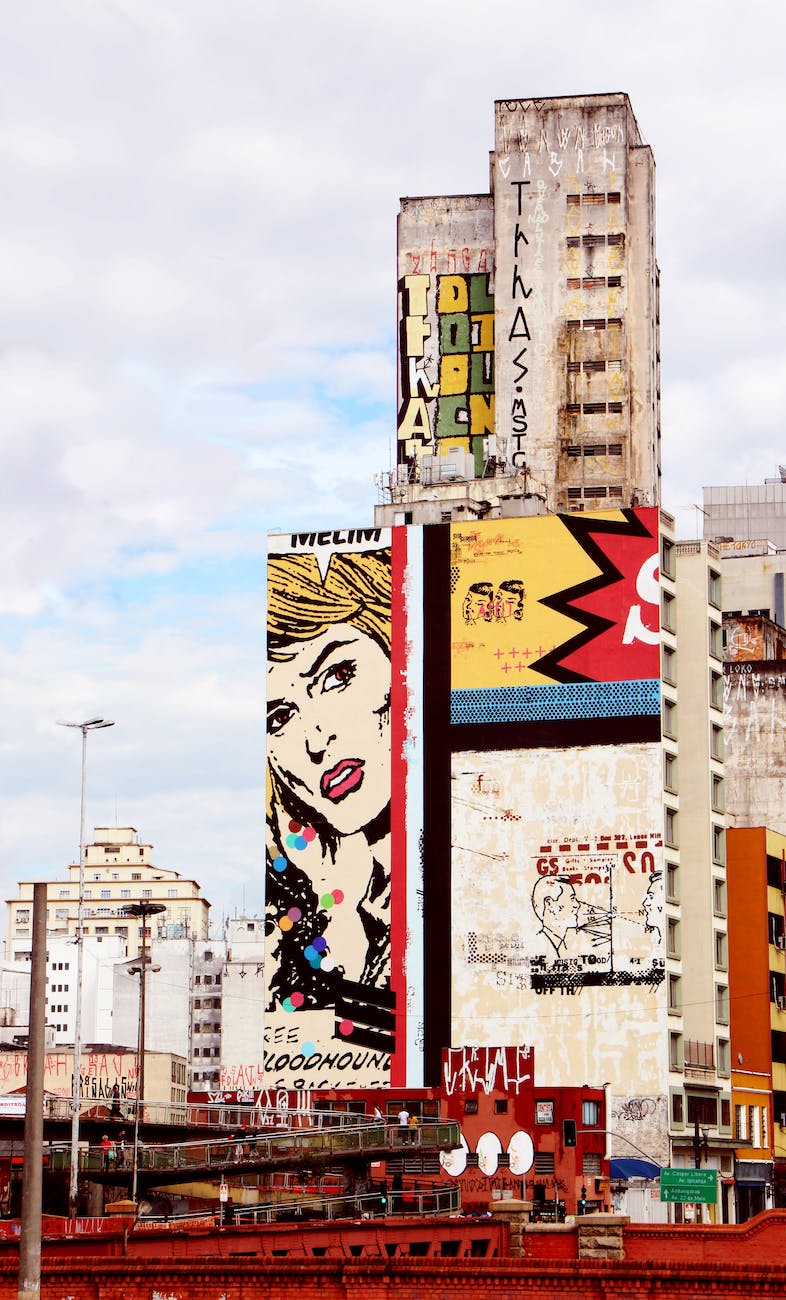
Pop art had a significant impact on the art world and continues to influence contemporary art. It introduced new ideas about the role of the artist and the nature of art, and helped to break down the barriers between high art and popular culture. Today, pop art is still a relevant and influential movement, with many artists continuing to draw inspiration from its themes and techniques.
 A&S Auctions Blog
Leave a comment