-
Home Auctions Vs Traditional Sales: Which Is Better For Your Quick House Sale?

So you need to sell your house fast? Whether you’re facing a job relocation, dealing with financial pressures, or settling an estate, the clock is ticking and you need answers. The good news is you’ve got two solid paths ahead of you – but they couldn’t be more different!
Let’s dive into the ultimate showdown: home auctions versus traditional sales. We’re going to break down everything you need to know so you can make the smartest move for your situation. Trust me, by the end of this, you’ll know exactly which route will get you to the finish line fastest.
The Auction Route: Speed Demons Welcome!
Have you ever wondered what it’s like to sell your house in just a few weeks? That’s the magic of auctions! Think of it as the express lane of real estate – no waiting around, no endless showings, just pure momentum from start to finish.

Why Auctions Are Game-Changers
Here’s where auctions really shine: speed. We’re talking about closing deals in 2-4 weeks, sometimes even faster! Compare that to traditional sales that can drag on for months, and you can see why desperate sellers are turning to auctions in droves.
But speed isn’t the only ace up their sleeve. The competitive bidding environment can work serious magic. Picture this: you’ve got multiple qualified buyers in one room, all wanting your property, all trying to outbid each other. Sometimes that competitive energy drives prices way higher than anyone expected!
Plus, there’s something beautifully simple about the “as is” approach. No staging, no repairs, no endless parade of potential buyers traipsing through your living room on Saturday mornings. You list it, people bid, highest bidder wins – boom, done!
The Reality Check: What You’re Trading Off
Now, let’s keep it real – auctions aren’t all sunshine and rainbows. That smaller pool of qualified buyers? It can be a double-edged sword. Since people need to be ready to buy immediately with financing already locked and loaded, you’re naturally limiting your audience.
And here’s the kicker: those auction fees can be hefty. We’re talking about 6-10% of your final sale price going to auctioneer commissions and marketing costs. That’s a significant chunk of change that traditional sellers don’t have to worry about.
The biggest risk? Your house might sell for less than it would on the open market. With that compressed timeline and smaller buyer pool, you could be leaving money on the table. It’s the price of speed!
Traditional Sales: The Marathon Approach
Traditional sales are like that reliable friend who always delivers – just not always when you want them to! This is the tried-and-true method that most people know: list with a realtor, show the house, negotiate offers, and eventually close.

Where Traditional Sales Excel
Control is the name of the game here. Want to wait for the perfect offer? You got it. Need to time your sale with buying your next home? No problem. Traditional sales put you in the driver’s seat, and that flexibility can be incredibly valuable.
The marketing reach is also unbeatable. Your house gets plastered across every major real estate website, marketed to agents’ networks, and promoted through open houses and private showings. This massive exposure means you’re casting the widest possible net for potential buyers.
And let’s talk about maximizing value. With months to work with, you can wait for that dream offer, negotiate terms that work for you, and really optimize your sale price. Some sellers walk away with significantly more money this way.
The Patience Factor (And Other Challenges)
But here’s where it gets tricky for quick-sale situations: time. Lots and lots of time. The average home sale takes 3-6 months, and that’s if everything goes smoothly! Some properties sit on the market for a year or more.
Then there are all those lovely contingencies and inspections. Buyers can request repairs, renegotiate prices after inspections, or even back out entirely if their financing falls through. Until you’re at the closing table with keys in hand, nothing is guaranteed.

The Head-to-Head Breakdown
Let’s put these two approaches in the ring and see how they stack up:
Speed Championship: Auctions win by a landslide. 2-4 weeks versus 3-6 months? No contest!
Price Potential: Traditional sales take the crown here. More exposure typically means better offers.
Certainty Factor: Once that auction hammer falls, you’re done deal. Traditional sales? You’re crossing your fingers until closing day.
Control Level: Traditional sales give you all the power. Auctions? You’re along for the ride once bidding starts.
Stress Level: Auctions are intense but quick. Traditional sales are a slow burn that can wear you down over months.
So, Which Path Should You Choose?
Here’s where we get practical. Your situation will determine your best move, and we’ve got the insider scoop on when each approach makes the most sense.
Go Auction When…
You’re in legitimate time crunch mode! If you need to sell within 30 days due to job relocation, financial distress, or estate settlement, auctions are your best friend. They’re also fantastic if your property has unique features that could spark a bidding war – think waterfront views, historic charm, or prime commercial potential.
Choose auctions if you’re comfortable trading some potential profit for guaranteed speed and want to avoid the headaches of traditional showings and negotiations.
Stick with Traditional When…
You’ve got time on your side and maximizing profit is your top priority. If you can afford to wait 3+ months and your property appeals to mainstream buyers, the traditional route usually delivers better financial results.
Traditional sales also make sense if you need to coordinate your sale with purchasing another home, or if market conditions are hot with lots of buyer demand and low inventory.

The Bottom Line for Quick Sales
When speed is truly essential, auctions deliver results that traditional sales simply can’t match. Yes, you might sacrifice some money, but you gain certainty and speed – two things that can be priceless in the right circumstances.
Think of it this way: would you rather have a guaranteed sale in a month at a potentially lower price, or roll the dice on a higher price that might take six months to materialize (if it happens at all)?
The smartest sellers understand that the “best” option depends entirely on their unique situation, timeline, and priorities. There’s no one-size-fits-all answer, but now you’ve got the knowledge to make an informed decision that works for your specific needs.
Ready to Make Your Move?
Whether you’re leaning toward the lightning-fast world of auctions or the steady approach of traditional sales, the most important thing is taking action. The housing market waits for no one, and every day you spend wondering “what if” is a day you’re not moving toward your goals.
Still have questions about which approach makes sense for your situation? That’s exactly what we’re here for! At A&S Auctions, we’ve helped countless homeowners navigate these exact decisions, and we’d love to help you figure out your best path forward.
Your quick house sale is absolutely achievable – you just need to choose the right strategy and get started. The finish line is closer than you think!
-
Downsizing Your Home? Here Are 10 Things You Should Know Before You Start

Ready to embrace a simpler, more manageable lifestyle? Downsizing your home can feel like standing at the base of Mount Everest with nothing but a backpack and good intentions. But here’s the thing, with the right game plan, this mountain becomes a series of manageable hills that lead to something pretty amazing: freedom, financial flexibility, and a home that actually works for your life instead of the other way around.
Whether you’re an empty nester ready to ditch the unused bedrooms, a retiree seeking less maintenance, or someone who’s simply tired of being owned by their stuff, we’ve got your back. Let’s dive into the 10 essential things you absolutely need to know before you start this exciting journey.
1. Start with Logistics, Not Your Heart
Here’s where most people go wrong, they walk into their attic, see their wedding dress from 1987, and three hours later they’re crying into a box of old photo albums having made zero progress. Sound familiar?
Instead, channel your inner project manager first. Get crystal clear on the practical details before you touch a single sentimental item. How much space will you actually have in your new place? We’re talking specifics here, not just bedrooms and bathrooms, but storage areas like closets, basements, garages, and even those weird under-stair nooks that somehow accumulate holiday decorations.

Next, identify which rooms won’t exist in your new home. That formal dining room you use twice a year? That craft room that’s become a glorified storage unit? You’ll need to decide where those contents go or if they go at all.
Most importantly, set a firm moving date on your calendar right now. Yes, right now. This isn’t a “someday when we get around to it” project, it’s a deadline that prevents you from getting stuck in decision paralysis for the next two years.
2. Measure Everything (Yes, Everything!)
Remember that gorgeous sectional sofa you absolutely love? Well, love doesn’t make it fit through a narrow doorway or into a cozy living room. Taking measurements should be at the very top of your downsizing checklist, and we mean everything.
Write down the dimensions of each room in both your current and new homes. Measure doorways, hallways, and any tight corners your furniture will need to navigate. This simple step will save you from the heartbreak of having to leave behind pieces that could have made the journey with better planning.
Pro tip: Create a rough floor plan of your new space and note the dimensions of your favorite furniture pieces. This visual exercise helps you choose quality over quantity and prevents that cramped, overcrowded feeling that makes downsizing feel like downgrading.
3. Downsizing Doesn’t Always Mean Moving
Plot twist! Downsizing exists on a spectrum, and sometimes the best move is not moving at all. You might downsize by simply decluttering your current home, creating breathing room and reducing maintenance without changing your address.
Or maybe you’re ready for a complete lifestyle transformation: trading suburban lawns for city walkability, or swapping a family home for a cozy cottage by the lake. Understanding where you fall on this spectrum helps you approach the process with realistic expectations and the right mindset.
Think about what downsizing means for your specific situation. Are you looking to reduce expenses, minimize maintenance, live more simply, or completely reinvent your lifestyle? Your answer shapes every decision that follows.
4. Tackle the Big Stuff First
When you’re staring at decades of accumulated belongings, it’s tempting to start with the easy stuff: sorting through kitchen utensils or organizing bathroom cabinets. Resist this urge! Start with the giants in the room.
Major appliances and large furniture pieces should be your first priority. Will your new place come with a refrigerator, dishwasher, washer, and dryer? Which large pieces of furniture will actually fit in your new space? Do you really need three vehicles when you’re moving to a place with limited parking?
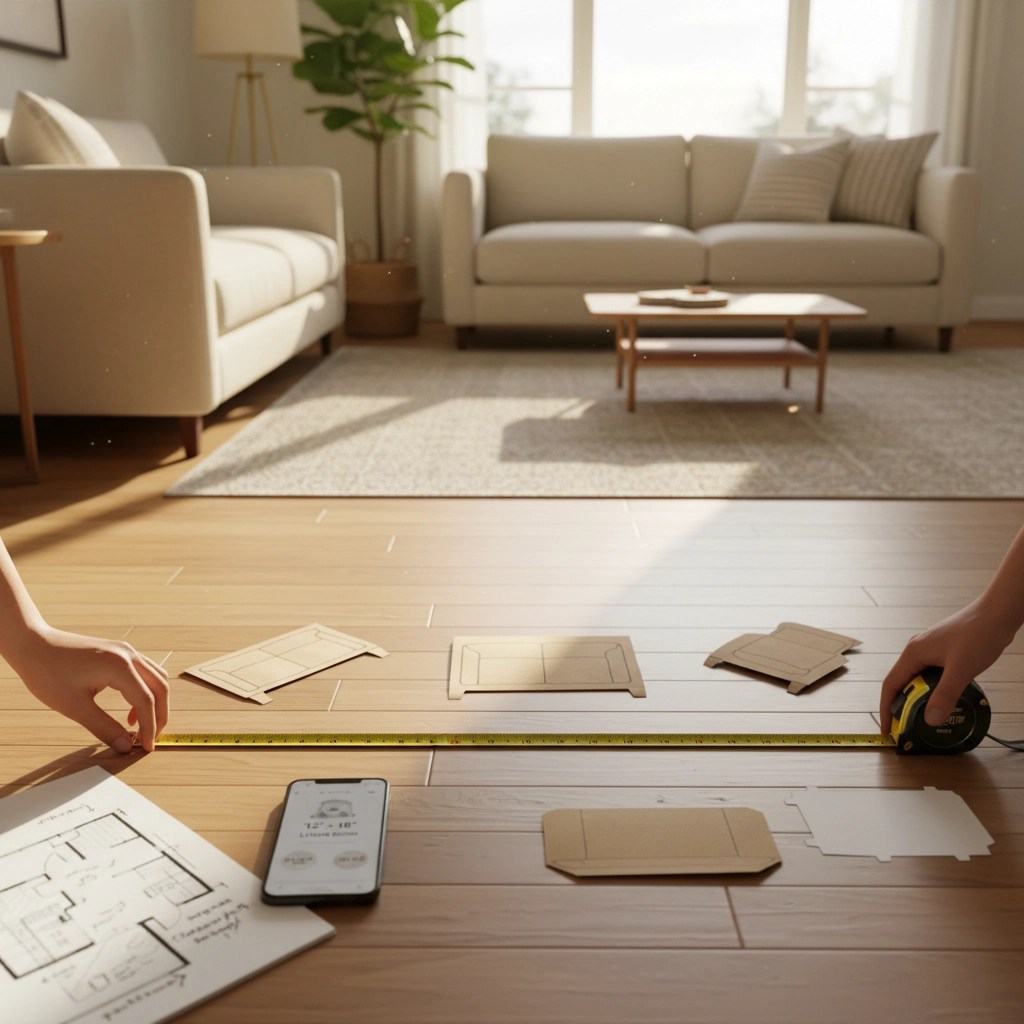
Making these big decisions first creates momentum and makes smaller choices feel manageable. Plus, you’ll have a clearer picture of how much storage space you’ll need for everything else.
5. Embrace the Room-by-Room Strategy
Trying to downsize an entire house at once is like trying to eat a whole pizza in one bite: theoretically possible but guaranteed to end in disaster. Instead, break this project into bite-sized pieces by tackling one room at a time.
As you work through each space, create four clear categories: keep, sell, donate, and toss. No “maybe” piles allowed! Those innocent little maybe piles are decision quicksand that will slow your progress to a crawl.
Start with rooms that have the least emotional attachment: maybe the guest bathroom or utility room. Build your decision-making confidence on easier choices before moving into emotionally charged spaces like the master bedroom or family photo collections.
6. Channel Your Inner Marie Kondo (But Make It Practical)
Living in smaller spaces requires ruthless efficiency, but don’t worry: this isn’t about becoming a minimalist monk. It’s about being strategic with your space and intentional with your choices.
Avoid keeping duplicates unless they serve genuinely different purposes. Do you really need three can openers, five winter coats, or two coffee makers? Probably not. When you find yourself wavering, ask this question: “Will I actually use and appreciate this in my new space, or am I keeping it just because I own it?”
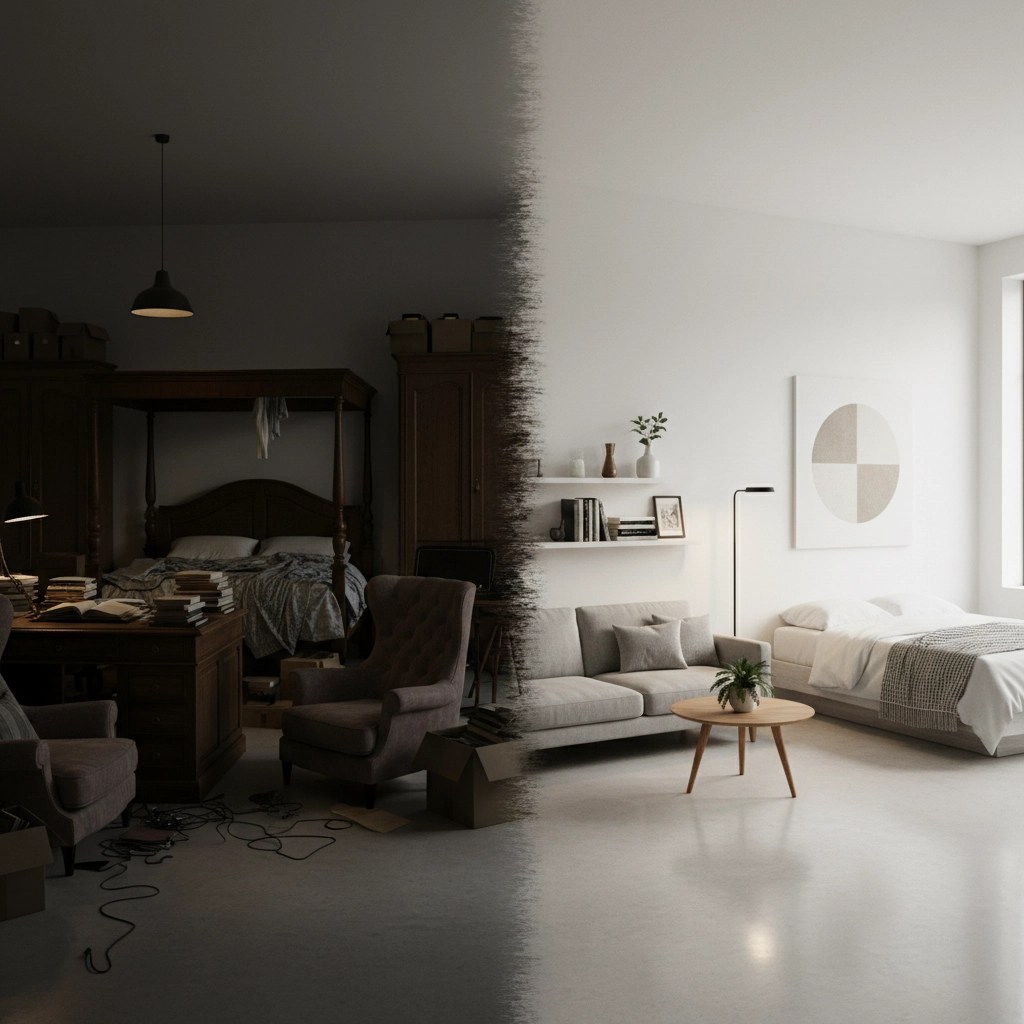
Create systems to maintain your progress. Try the “one-in-two-out” rule: for every new item that comes into your life, two items need to find new homes elsewhere.
7. Navigate the Emotional Minefield
Let’s be honest: some of your belongings aren’t just stuff, they’re time machines. That china set from your grandmother, your children’s artwork, the books you swore you’d re-read someday. These items pack an emotional punch that can derail even the most organized downsizing plan.
Here’s a gentle reality check: if something has been sitting in a box in your basement for the last five years, will you really appreciate it more in your new space? Sometimes the most loving thing we can do for our memories is to let the physical objects go while keeping the stories they represent.
Consider taking photos of items with strong sentimental value that you can’t keep. Create a memory book or digital album that captures the essence without requiring physical storage space.
8. Design Your New Lifestyle
This is where downsizing gets exciting! What lifestyle do you want to create in your new space? Are you envisioning cozy movie nights, dinner parties with friends, a home office that actually inspires productivity, or a peaceful retreat from the world?
Your new lifestyle should guide every decision about what to keep and what to let go. If you’re retiring and want to take up watercolor painting, maybe keep that good natural lighting and table space for art supplies. If you’re becoming empty nesters who want to travel more, prioritize items that make your home easy to leave and wonderful to return to.
Think practically about which spaces you’ll use most. If you’ve always gravitated toward the kitchen table over the formal dining room, don’t feel obligated to recreate formal spaces you never actually enjoyed.
9. Avoid the Money Traps
Here’s where downsizing can get tricky: the financial expectations don’t always match reality. One of the biggest mistakes is overestimating how much money you’ll save, which can lead to overspending on new items for your downsized space.
Another common pitfall? Getting rid of perfectly good items only to realize you need to buy replacements later. Before you donate that perfectly functional desk or dresser, think carefully about whether you’ll need similar functionality in your new space.

Be strategic about timing too. Rushed decisions often lead to regrets and unexpected expenses. Give yourself permission to take time with the big choices while maintaining momentum on the smaller ones.
10. Think Multi-Purpose Magic
In your new, right-sized space, every item needs to earn its keep. This is where multi-purpose furniture and clever storage solutions become your best friends.
That coffee table that doubles as storage? Gold. The dining table that can serve as a workspace? Perfect. Ottomans with hidden compartments, bed frames with built-in drawers, and wall-mounted desks that fold away: these are the heroes of downsized living.
If you already own space-saving furniture, prioritize bringing it along. If you don’t, this might be the perfect time to invest in pieces that work harder and smarter in smaller spaces.
Take photos of your current room setups to remember how everything was arranged, especially technology and cord management. Future you will thank present you for this simple step!
Ready to Right-Size Your Life?
Downsizing isn’t about losing anything: it’s about gaining clarity, freedom, and a home that truly fits your life. Every item you choose to keep becomes more meaningful, every space becomes more intentional, and every day becomes a little bit easier.
The key to success? Start early, stay systematic, and remember that this process is about creating space for what matters most to you. Whether you’re ready to tackle this journey yourself or need professional guidance, the most important step is the first one.
Your future self: the one living comfortably in a space that feels just right( is going to be so grateful you started today.)
-
Is it real or facsimile?
A facsimile signature, also known as a reproducible signature or facsimile autograph, is a copy of an artist’s signature that is reproduced onto a work of art or document. These types of signatures are commonly used in the art world, particularly in the case of limited edition prints or reproductions of original works.

There are several reasons why an artist may choose to use a facsimile signature on their artwork. One reason is to ensure consistency and authenticity in the presentation of their work. When an artist creates multiple copies of a piece, it can be difficult to replicate their signature exactly on each one. A facsimile signature allows the artist to ensure that their signature appears exactly the same on every copy.
Another reason for using a facsimile signature is to protect the value of the artwork. Original works of art with the artist’s hand-signed signature are often more valuable than those with a reproducible signature. By using a facsimile signature, an artist can produce multiple copies of their work without devaluing the original piece.
There are a few different methods that can be used to create a facsimile signature. One method is to use a rubber stamp with the artist’s signature on it. This allows the artist to easily stamp their signature onto each piece of artwork or document. Another method is to use a digital printing process to reproduce the signature onto the artwork. This can be done with the use of a digital scanner or by creating a digital image of the signature and printing it onto the artwork.

While facsimile signatures can be a useful tool for artists, it’s important to note that they are not the same as a hand-signed signature. Collectors and buyers of art may place a higher value on pieces with a hand-signed signature, and some may not consider a facsimile signature to be authentic. It’s important for artists to clearly communicate to buyers and collectors whether a signature on a piece of artwork is a facsimile or a hand-signed original.
In conclusion, facsimile signatures are a common practice in the art world, used to ensure consistency and authenticity in the presentation of an artist’s work and to protect the value of the original piece. While they are not the same as a hand-signed signature, they can be a useful tool for artists and collectors should be aware of their use.
-
Apple pie & early American furniture
Early American furniture refers to the style of furniture produced in the United States during the colonial and early federal periods, from the late 17th century to the early 19th century. This period saw the development of a distinct American style of furniture, influenced by European and indigenous traditions.
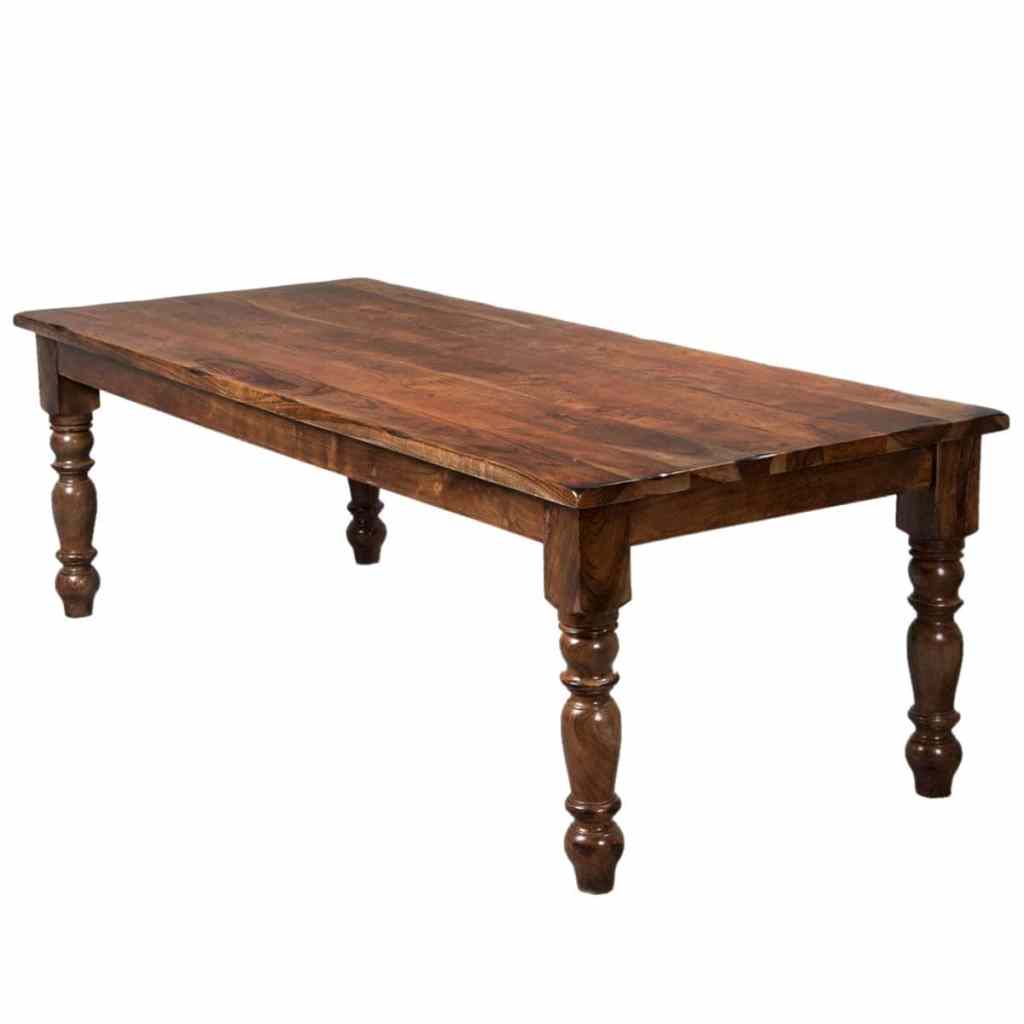
Early American furniture was characterized by a focus on functionality and simplicity, as well as a reliance on locally available materials. This often meant that furniture was made from wood, with a focus on practicality and durability. Early American furniture was also heavily influenced by the cultural and historical context of the time, with many pieces reflecting the values and traditions of the people who made and used them.
One of the most distinctive features of early American furniture is its simplicity and lack of ornamentation. This was due in part to the scarcity of materials and the need to make the most of what was available. Early American furniture was also influenced by the work of artisans and craftsmen who were skilled in a variety of techniques, including carving, turning, and inlaying.
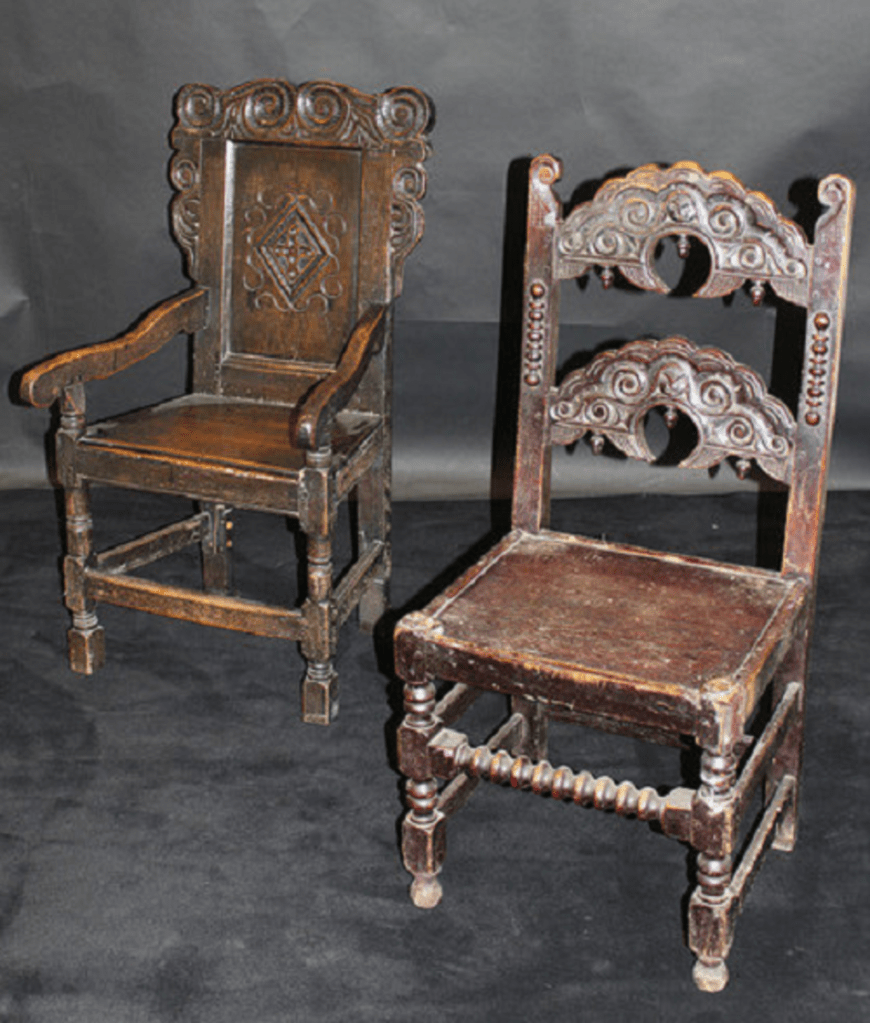
Today, early American furniture is highly sought after by collectors and enthusiasts due to its unique style and historical significance. It is often featured in museums and private collections, and it continues to inspire contemporary furniture designers.
-
Elegant Victorian furniture
The Victorian era was a period of great prosperity and cultural change in the United Kingdom, and it was reflected in the furniture of the time. Victorian furniture was characterized by a focus on opulence, ornamentation, and grandeur, as well as a love of intricate details and a fascination with new materials and technologies.

One of the key features of Victorian furniture is its ornate and decorative nature. This is evident in the use of intricate carvings, inlaid woods, and gilded surfaces. Victorian furniture was also characterized by a love of symmetry and balance, with pieces often featuring matching sets of chairs, sofas, and tables.
In addition to traditional materials such as wood and fabric, Victorian furniture also incorporated new materials and technologies, such as cast iron, steel, and glass. This was particularly evident in the development of new furniture forms, such as the glass-topped display cabinet, which was used to showcase collections of curiosities and other decorative objects.

Today, Victorian furniture is highly prized by collectors and enthusiasts due to its historical significance and unique style. It is often featured in museums and private collections, and it continues to inspire contemporary furniture designers.
-
The beauty of art glass
Art glass is a type of glass that is produced specifically for decorative purposes. It is often characterized by its unique design and use of color, and it is often made by skilled artisans using traditional techniques.
There are many different types of art glass, including stained glass, which is made by adding colored glass to a clear glass base; fused glass, which is made by melting different colors of glass together; and blown glass, which is made by blowing air into a gather of hot glass.

Art glass is often used in the production of decorative objects, such as vases, figurines, and paperweights. It is also used to create functional objects, such as lampshades and windows.
Art glass is prized by collectors and enthusiasts for its beauty and uniqueness, and it is often featured in museums and private collections. It is also popular with contemporary artists, who use it as a medium to create one-of-a-kind pieces of art.

In addition to its decorative and artistic value, art glass is also admired for its craftsmanship and attention to detail. Many art glass pieces are made by skilled artisans who use traditional techniques, such as hand-cutting, hand-painting, and hand-engraving, to create truly unique and beautiful pieces.
-
Let it glow with uranium glass
Uranium glass is a type of glass that is made with small amounts of uranium oxide, which gives it a distinctive yellow or green color. It was first produced in the early 19th century, and it quickly became popular for its bright, glowing color and unusual properties.

One of the most distinctive features of uranium glass is its ability to fluoresce, or glow, under UV light. This is due to the presence of uranium oxide, which absorbs UV light and re-emits it as visible light. Uranium glass is also known for its high refractive index, which gives it a bright, sparkling appearance.
In addition to its decorative qualities, uranium glass was also used for practical purposes, such as making laboratory equipment and lamp shades. It was also used in the production of jewelry and other decorative objects.

Today, uranium glass is highly prized by collectors and enthusiasts due to its unique properties and historical significance. It is often featured in museums and private collections, and it continues to be made by a small number of artisan glassmakers. However, due to concerns about the potential health risks of uranium, the production of uranium glass is now strictly regulated in many countries.
-
Vintage Toys
Retro toys are classic toys that have been around for decades and have stood the test of time. These toys hold a special place in the hearts of many people, as they often bring back fond memories of childhood.

One of the most iconic retro toys is the teddy bear. These soft, cuddly toys have been around since the early 20th century and remain popular to this day. They are often given as gifts to young children and are a staple in any child’s toy collection.
Another classic retro toy is the Lego set. These interlocking plastic bricks have been around since the 1950s and have inspired countless hours of creative play for children of all ages. The versatility of Lego sets allows for endless possibilities, making them a timeless toy that never goes out of style.

Board games are also a popular retro toy. Monopoly, Scrabble, and Clue are just a few examples of classic board games that have been around for decades and continue to be enjoyed by families and friends. These games not only provide entertainment, but they also promote critical thinking and strategy skills.
Retro toys also include dolls and action figures. Barbie dolls, for example, have been a staple in many households since the 1960s and continue to be a popular toy for young girls. Action figures, such as G.I. Joe and Star Wars figures, have also been popular for decades and are often collected by both children and adults.
In conclusion, retro toys are timeless and hold a special place in the hearts of many people. From teddy bears to board games, these classic toys continue to be enjoyed by children and adults alike. They not only provide entertainment, but they also promote creativity and critical thinking skills, making them an important part of any childhood.
-
Art Nouveau
Art Nouveau is a style of art and design that emerged in the late 19th century and was characterized by a focus on organic, flowing forms and a sense of movement and dynamism. It was inspired by nature and the natural world, and it sought to break away from the rigid, formal styles of the past.

Art Nouveau is often associated with the decorative arts, and it was used to create a wide variety of objects, including furniture, jewelry, ceramics, and glassware. It was also used in the design of architecture, graphics, and other forms of visual art.
One of the key features of Art Nouveau is its use of flowing, organic forms and a strong emphasis on curves and lines. This is reflected in the sinuous lines and organic shapes that are often found in Art Nouveau design, and it is often used to create a sense of movement and dynamism.

Art Nouveau was also characterized by a fascination with nature and the natural world, and many Art Nouveau pieces are decorated with motifs and patterns inspired by plants, flowers, and other natural forms.
Today, Art Nouveau is highly prized by collectors and enthusiasts due to its unique style and historical significance. It is often featured in museums and private collections, and it continues to inspire contemporary designers and artists.
-
History of tramp art
Tramp art is a form of folk art that originated in the United States in the late 19th and early 20th centuries. It is characterized by the use of found materials, such as discarded cigar boxes, matchboxes, and other small wooden objects, to create decorative and functional objects such as frames, boxes, and furniture. Tramp art is often identified by its intricate, layered design, which is created by carefully carving and stacking the small wooden pieces to form complex patterns.

Photo by Nipan Chawcharernpon on Pexels.com Tramp art was popular among itinerant workers, such as tramps and hobos, who traveled from place to place in search of work. These workers would often create tramp art objects as a way to pass the time and as a means of earning a little extra money. Tramp art objects were often sold or traded to other travelers or to people in the towns and cities where the tramps and hobos stopped.
Tramp art reached the height of its popularity in the 1920s and 1930s, but it began to decline in the 1940s as the Great Depression ended and the United States entered World War II. Today, tramp art is considered a nostalgicically charming and unique form of American folk art, and it is highly collectible.
-
Subscribe
Subscribed
Already have a WordPress.com account? Log in now.
 A&S Auctions Blog