-
Atomic mid-century modern
Atomic mid-century modern is a style of design that emerged in the mid-20th century and was characterized by a futuristic, space-age aesthetic. It was inspired by the rapid scientific and technological advancements of the time, as well as by a general sense of optimism and hope for the future.

Atomic mid-century modern design is characterized by bold, geometric shapes and a focus on form over function. It is often associated with materials such as plastic, metal, and fiberglass, as well as with bright, bold colors and patterns.
One of the key features of atomic mid-century modern design is its emphasis on innovation and progress. This is reflected in the use of new materials and technologies, as well as in the futuristic, space-age aesthetic of many atomic mid-century modern pieces.
Furniture and home decor from the atomic mid-century modern era is highly sought after by collectors and enthusiasts due to its unique style and historical significance. It is often featured in museums and private collections, and it continues to inspire contemporary design trends.
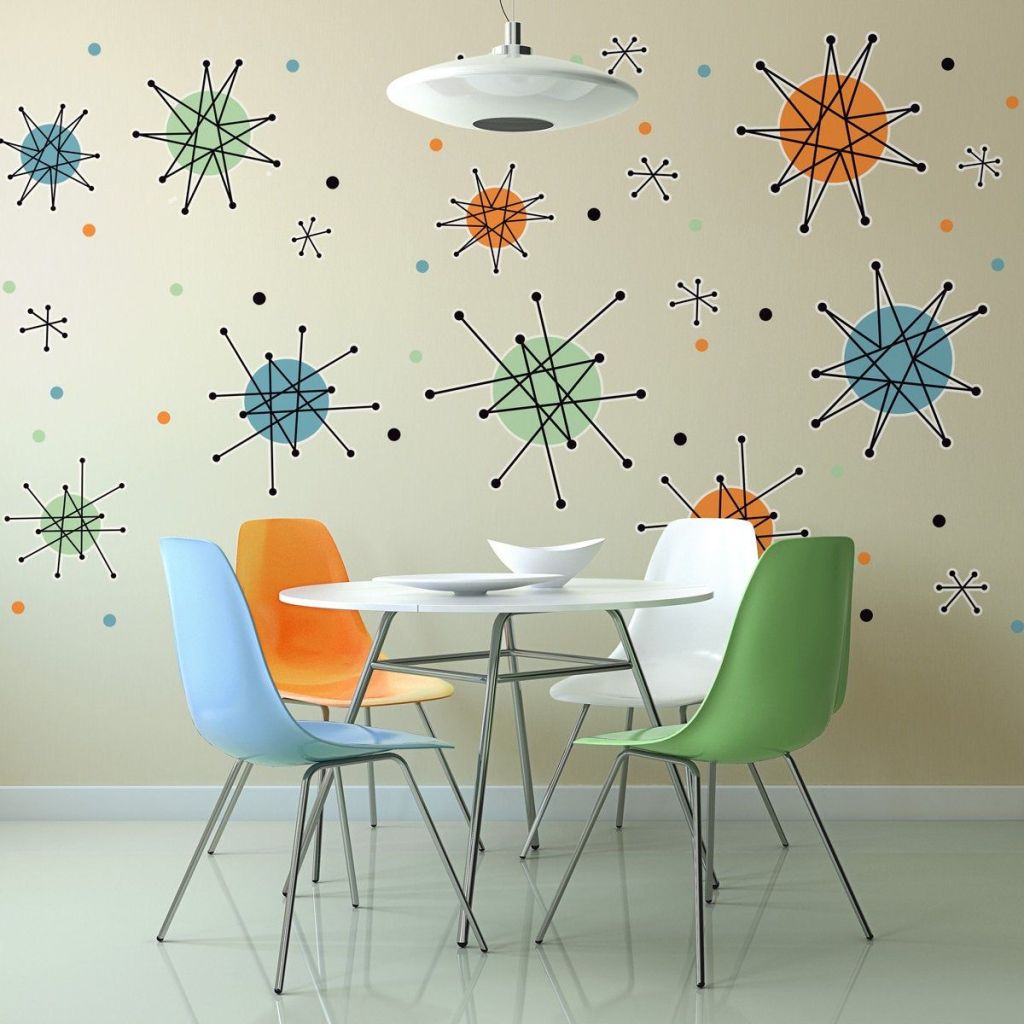
In addition to its aesthetic value, atomic mid-century modern design is also admired for its attention to craftsmanship and attention to detail. Many atomic mid-century modern pieces are made by skilled artisans who use traditional techniques, such as hand-cutting, hand-painting, and hand-sculpting, to create truly unique and beautiful pieces.
-
Collectibles
Collectibles are objects that are valued for their rarity, historical significance, or sentimental value. They can be anything from stamps and coins to dolls and figurines, and they are often collected and valued by enthusiasts who are passionate about a particular subject or theme.

Photo by Pixabay on Pexels.com There are many different types of collectibles, each with its own unique characteristics and appeal. Some common types of collectibles include:
- Antiques: Antiques are collectibles that are at least 100 years old and are valued for their age, rarity, and historical significance. They can include furniture, jewelry, artwork, and other decorative objects.
- Coins: Coins are collectibles that are valued for their rarity, historical significance, and condition. They can include ancient coins, commemorative coins, and rare coins from different countries.
- Stamps: Stamps are collectibles that are valued for their rarity, historical significance, and condition. They can include stamps from different countries, commemorative stamps, and rare stamps.
- Dolls: Dolls are collectibles that are valued for their rarity, historical significance, and condition. They can include antique dolls, designer dolls, and rare dolls from different countries.
- Figurines: Figurines are collectibles that are valued for their rarity, historical significance, and condition. They can include figurines from different countries, rare figurines, and figurines made by well-known artists.

Collectibles can be collected for a variety of reasons, including the enjoyment of the hobby, the opportunity to learn about history and culture, and the potential to make a profit. Regardless of the reason, collectibles are an important part of many people’s lives and can provide a source of enjoyment and satisfaction for years to come.
-
History of pop art
Pop art is a art movement that emerged in the 1950s and became popular in the 1960s. It is characterized by the use of recognizable imagery from popular culture, such as advertising, news, and entertainment media, and the incorporation of mass-produced consumer goods into art. Pop art is often associated with the work of artists such as Andy Warhol, Roy Lichtenstein, and Jasper Johns, who were among the pioneers of the movement.

The origins of pop art can be traced back to the 1950s, when artists such as Richard Hamilton and Eduardo Paolozzi began to incorporate elements of popular culture into their work. These early pop artists were influenced by the Dada movement, which rejected traditional art forms and embraced the use of found objects and everyday materials in art.
Pop art emerged as a full-fledged movement in the 1960s, with artists such as Warhol, Lichtenstein, and Johns leading the way. Warhol’s Campbell’s Soup Cans and Marilyn Monroe portraits became iconic symbols of the movement, while Lichtenstein’s comic book-style paintings and Johns’ flag and target paintings also became popular.
Pop art was not only an art movement, but also a cultural phenomenon that reflected the attitudes and values of the time. It was a reaction against the highbrow art world and the elitism of modernism, and instead embraced the mundane and the commercial. Pop art was also seen as a commentary on consumer culture and the role of mass media in shaping popular taste.

Pop art had a significant impact on the art world and continues to influence contemporary art. It introduced new ideas about the role of the artist and the nature of art, and helped to break down the barriers between high art and popular culture. Today, pop art is still a relevant and influential movement, with many artists continuing to draw inspiration from its themes and techniques.
-
Art Deco
Art Deco is a style of art and design that emerged in the 1920s and 1930s and was characterized by a sleek, modern aesthetic and a focus on geometric forms and patterns. It was inspired by the rapid technological and cultural changes of the time, and it sought to create a new, modern identity for the world of art and design.
Art Deco is often associated with the decorative arts, and it was used to create a wide variety of objects, including furniture, jewelry, ceramics, and glassware. It was also used in the design of architecture, graphics, and other forms of visual art.
One of the key features of Art Deco is its use of bold, geometric forms and a strong emphasis on symmetry and balance. This is reflected in the angular shapes and patterns that are often found in Art Deco design, and it is often used to create a sense of structure and stability.
Art Deco was also characterized by a fascination with modernity and technology, and many Art Deco pieces are decorated with motifs and patterns inspired by machines and other industrial forms.
Today, Art Deco is highly prized by collectors and enthusiasts due to its unique style and historical significance. It is often featured in museums and private collections, and it continues to inspire contemporary designers and artists.

-
Glass Disease
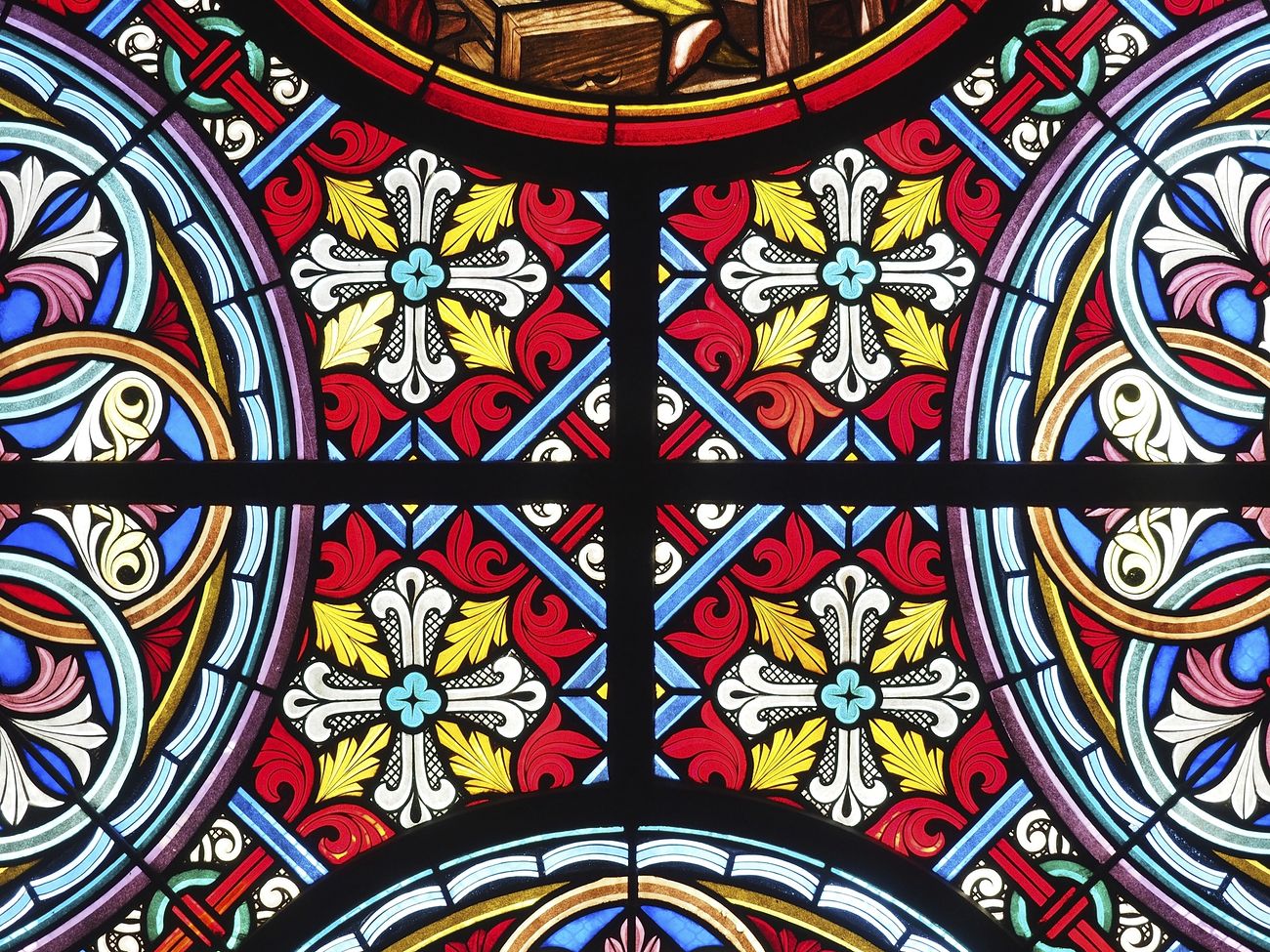
Glass disease, also known as devitrification, is a condition that occurs when the surface of glass becomes cloudy or discolored due to the presence of impurities or defects. It is often caused by exposure to extreme temperatures or humidity, or by the presence of certain chemical contaminants.
Glass disease can affect all types of glass, including windows, mirrors, and decorative objects. It can be caused by a variety of factors, including poor manufacturing practices, improper handling or storage, or exposure to harsh environmental conditions.
There are several different types of glass disease, including crystallization, which is caused by the formation of small crystals on the surface of the glass; iridization, which is caused by the formation of a metallic or rainbow-colored film on the surface of the glass; and blistering, which is caused by the formation of small, raised areas on the surface of the glass.
Glass disease can be difficult to treat, and in many cases, the only option is to replace the affected glass. In order to prevent glass disease, it is important to handle and store glass carefully and to protect it from extreme temperatures and humidity.
-
Significant Eras of Furniture
Furniture has a long and varied history, with different styles and periods emerging over time in response to changing cultural, social, and technological conditions. Some of the most significant eras in the history of furniture include:
- Ancient Era: The ancient era is characterized by furniture made from materials such as stone, wood, and metal. This period saw the development of a wide variety of furniture forms, including chairs, tables, beds, and storage units.
- Medieval Era: The medieval era is characterized by furniture that was heavily influenced by the styles and traditions of the Middle East. This period saw the development of elaborate, ornate furniture that was often made from wood and decorated with intricate carvings and inlays.
- Renaissance Era: The Renaissance era is characterized by a renewed interest in classical design and a focus on craftsmanship and quality. This period saw the development of furniture that was inspired by ancient Greek and Roman styles, and it was often made from materials such as wood, metal, and marble.
- Baroque Era: The Baroque era is characterized by furniture that is highly ornate and decorative, with a strong emphasis on symmetry and balance. This period saw the development of furniture that was made from materials such as wood, metal, and gilded surfaces, and it was often decorated with intricate carvings and inlays.
- Modern Era: The modern era is characterized by furniture that is simple and functional, with a focus on minimalism and the use of new materials such as plastic and metal. This period saw the development of iconic furniture designs such as the Eames chair and the Wassily chair.
Overall, the different eras of furniture reflect the changing cultural, social, and technological conditions of each period and provide a rich and varied history of design and innovation.
-
The golden years of television
The “golden years” of television refer to a period in the history of television that is widely considered to be a time of great creativity and innovation. This period is often associated with the 1950s and 60s, a time when television was becoming increasingly popular and more widely available.
During the golden years of television, a wide variety of programming was available, including drama, comedy, news, and variety shows. Some of the most popular and influential shows of the time included “I Love Lucy,” “The Honeymooners,” “The Twilight Zone,” and “The Ed Sullivan Show.”
The golden years of television were also marked by the emergence of a number of iconic stars and personalities, including Lucille Ball, Jackie Gleason, and Elvis Presley. These performers and others helped to shape the cultural landscape of the time and cemented the place of television as a central part of American life.
In addition to its cultural significance, the golden years of television also marked an important period of technological advancement. The introduction of color television, as well as the development of new production techniques and equipment, helped to revolutionize the television industry and set the stage for future innovation.
Overall, the golden years of television are widely considered to be a time of great creativity, innovation, and cultural significance, and they continue to be remembered and celebrated by television fans around the world.
-
The Craftsmanship of Fenton Glass
Fenton Glass is a company that has been producing handcrafted glassware for over 100 years. Founded in 1905 in Martins Ferry, Ohio, Fenton Glass has a long history of producing high-quality, handcrafted glassware that is prized by collectors and enthusiasts around the world.
One of the key features of Fenton Glass is its focus on craftsmanship and attention to detail. All Fenton Glass products are made by hand, using traditional techniques that have been passed down through the generations. This includes methods such as hand-painting, hand-engraving, and hand-sculpting, which give each piece of Fenton Glass its own unique character and charm.
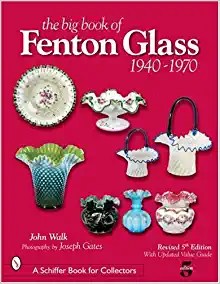
Fenton Glass is known for its wide range of products, including vases, bowls, figurines, and decorative objects. The company is particularly famous for its hand-painted glassware, which is often decorated with intricate patterns and colorful designs. Fenton Glass also produces a range of glass jewelry, including pendants, earrings, and brooches.
In addition to its traditional glassware, Fenton Glass is also known for its use of innovative materials and techniques. This includes the development of iridized glass, which has a shimmering, metallic finish, and the use of reactive glazes, which produce unique, one-of-a-kind color patterns on each piece of glass.
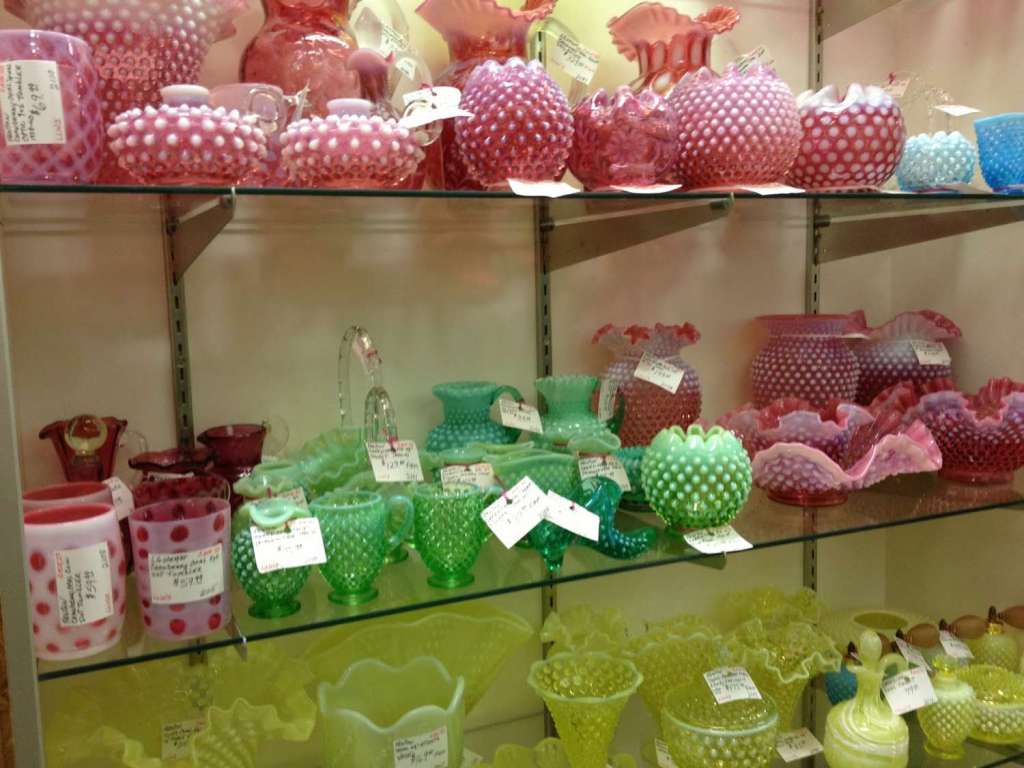
Today, Fenton Glass is an internationally recognized brand that is known for its high-quality, handcrafted glassware. It continues to be a leader in the glass industry, producing products that are prized by collectors and enthusiasts around the world.
-
History of New Years
New Year’s Day is a holiday that is celebrated around the world to mark the start of a new year. The origins of New Year’s Day can be traced back to ancient civilizations, which had their own ways of marking the start of a new year.

Photo by Karolina Grabowska on Pexels.com One of the oldest known New Year’s celebrations was the ancient Egyptian New Year, which was celebrated around the time of the summer solstice. The ancient Romans also celebrated a New Year’s holiday called the Kalends, which marked the first day of the month of January. This holiday was eventually adopted by the Catholic Church, and January 1st became the official start of the New Year in the Western world.
In medieval Europe, New Year’s Day was celebrated with feasts and parties, and it was a time for people to exchange gifts and make resolutions for the year ahead. In the United States, New Year’s Day became a federal holiday in the late 19th century, and it is now celebrated with parades, parties, and fireworks displays.

Photo by Julia Larson on Pexels.com New Year’s Day is a time for people to come together and celebrate the start of a new year. It is a time for reflection on the past year and for making plans for the future. Whether it is through traditional celebrations or more modern traditions, New Year’s Day is a holiday that is enjoyed by people all over the world.
-
The History Of Fostoria Glass
Fostoria Glass is a company that has a long and storied history of producing high-quality glassware. Founded in Fostoria, Ohio in 1887, the company quickly gained a reputation for producing high-quality glass products that were prized by collectors and enthusiasts around the world.
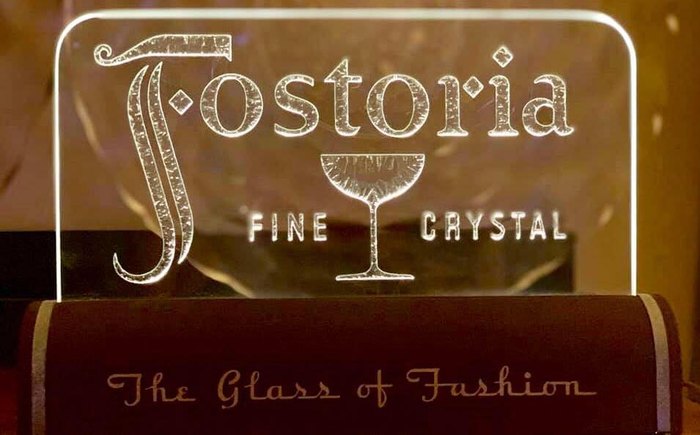
One of the key features of Fostoria Glass is its focus on craftsmanship and attention to detail. All Fostoria Glass products are made by hand, using traditional techniques that have been passed down through the generations. This includes methods such as hand-cutting, hand-engraving, and hand-painting, which give each piece of Fostoria Glass its own unique character and charm.
Fostoria Glass is known for its wide range of products, including vases, bowls, figurines, and decorative objects. The company is particularly famous for its elegant stemware and tableware, which is often decorated with intricate patterns and elegant designs. Fostoria Glass also produced a range of glass jewelry, including pendants, earrings, and brooches.
In addition to its traditional glassware, Fostoria Glass is also known for its use of innovative materials and techniques. This includes the development of iridized glass, which has a shimmering, metallic finish, and the use of reactive glazes, which produce unique, one-of-a-kind color patterns on each piece of glass.

Today, Fostoria Glass is an internationally recognized brand that is known for its high-quality, handcrafted glassware. It continues to be a leader in the glass industry, producing products that are prized by collectors and enthusiasts around the world.
-
Subscribe
Subscribed
Already have a WordPress.com account? Log in now.
 A&S Auctions Blog